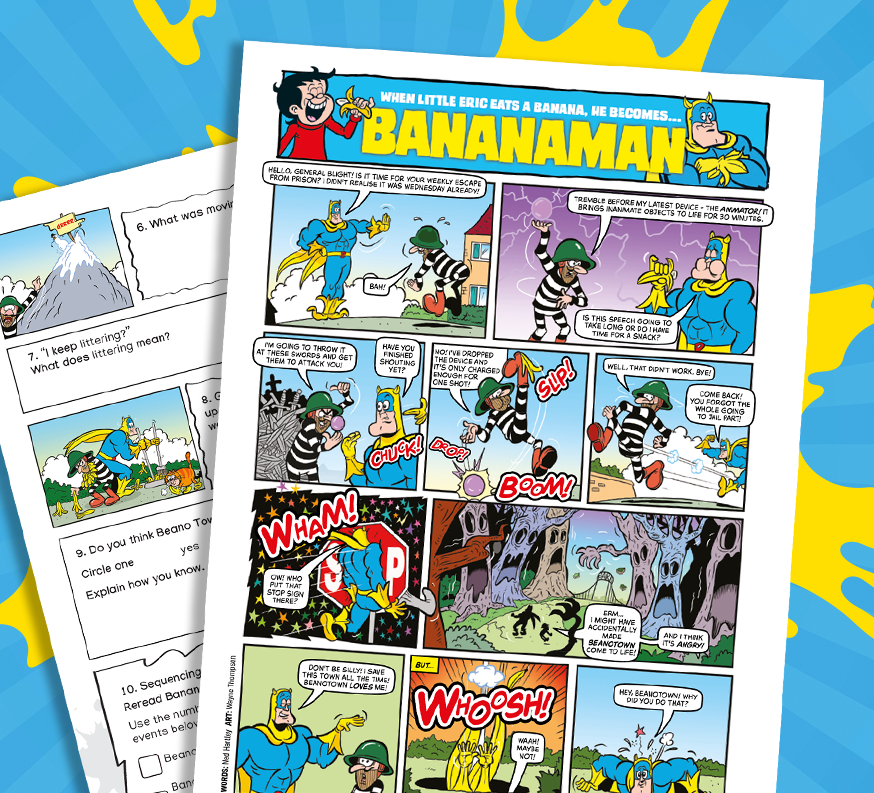
There’s no excuse for littering – even ‘I was saving the world!’ When Bananaman realises he might cause as much mess as he sorts out, he decides he has to clean up his act …
With comprehension questions, answer sheet and additional writing challenges, this pack is litter-ally what you’ve bin looking for. (Permission to groan granted!)

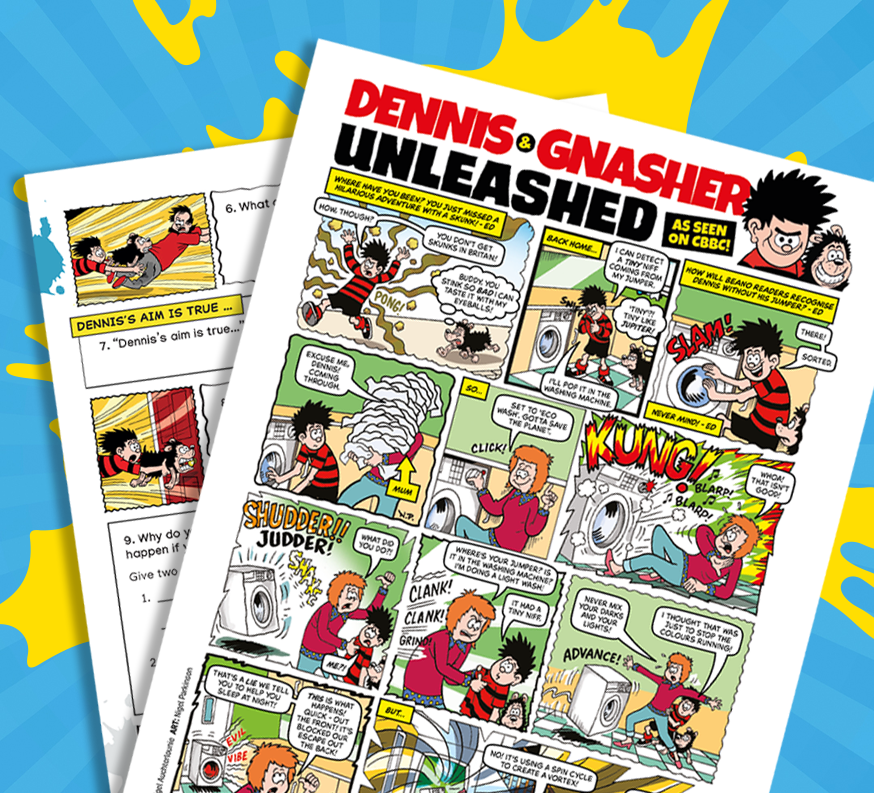
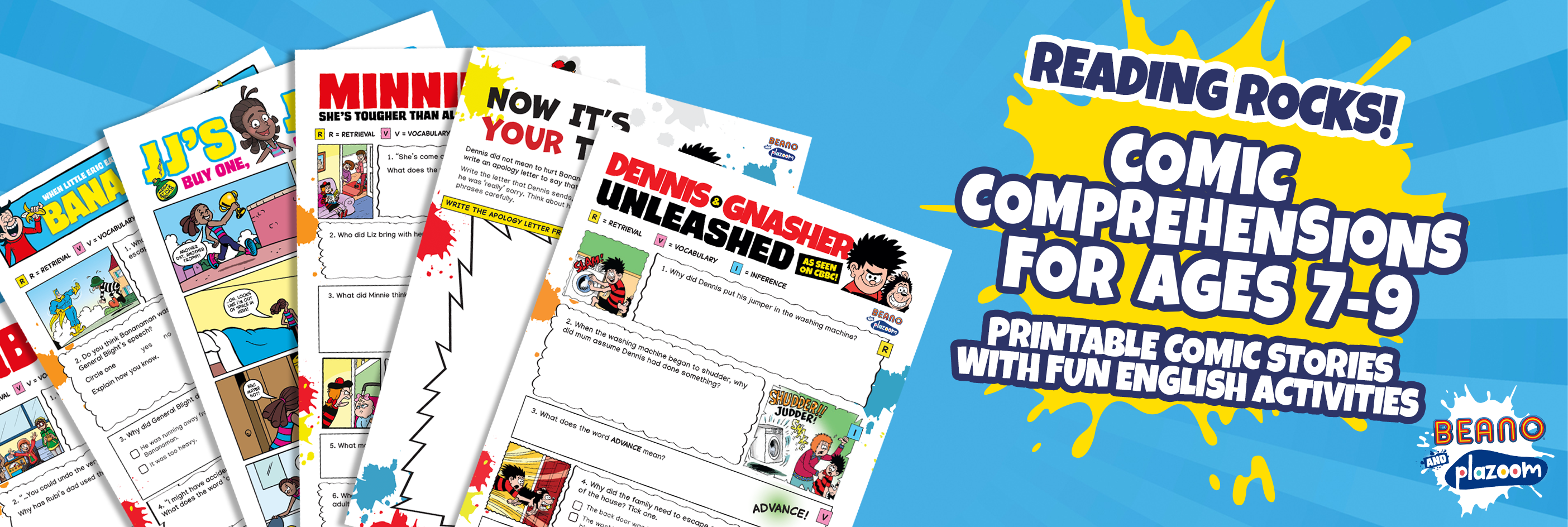
Dennis and Gnasher never try to get into trouble; it just sort of sneaks up on them when they’re doing something they shouldn’t! In this classic Beano comic story, Dennis tries to wash his legendary red and black jumper, and discovers that doing the laundry isn’t as simple as it seems!
With comprehension questions, answer sheet and additional writing challenges, this pack cleans up!
KS1: Pupils will identify a variety of good and not so good emotions and build a vocabulary to describe their feelings
KS2: Pupils will understand that they may experience many different emotions and will consider how to recognise and explain them

KS1: Pupils will understand that we all feel scared or worried at times but that being brave will help us cope. They will understand what resilience is
KS2: Pupils will understand that we all feel scared or worried at times. They will learn ways of coping and building their resilience and courage
KS1: Pupils will consider different ways to cope when they experience difficult emotions
KS2: Pupils will understand that having difficult emotions is normal. They will realise that they can manage their emotions and develop some tools to do that
KS1: Pupils will understand what stress can feel like; how it affects our emotions and our bodies and that there are helpful things that they can do
KS2: Pupils will understand what stress feels like; how it affects us and understand that this can be different for different people
KS1: Pupils will understand that change is inevitable. It can sometimes be difficult as well as exciting
KS2: Pupils will consider typical emotions when things change and realise that while they can’t control the situation, they can control their own reactions to it
Upper KS2: Pupils will understand that using a mobile is very different to talking face-to-face. They will consider how to use mobiles respectfully
KS1: Pupils will understand the link between resilience and promoting good mental health
KS2: Pupils will understand the link between resilience and promoting good mental health, and identify ways to build resilience, including using humour
KS1: Pupils will learn the importance of friendship and the qualities of a good friend.
KS2: Pupils will learn the importance of friendships and understand the characteristics of healthy friendships.

KS1: Pupils will learn that we are all different and have different likes and dislikes but that each voice matters.
KS2: Pupils will learn to express themselves, to celebrate what makes them unique and to connect with each other through sharing the things that make them laugh.
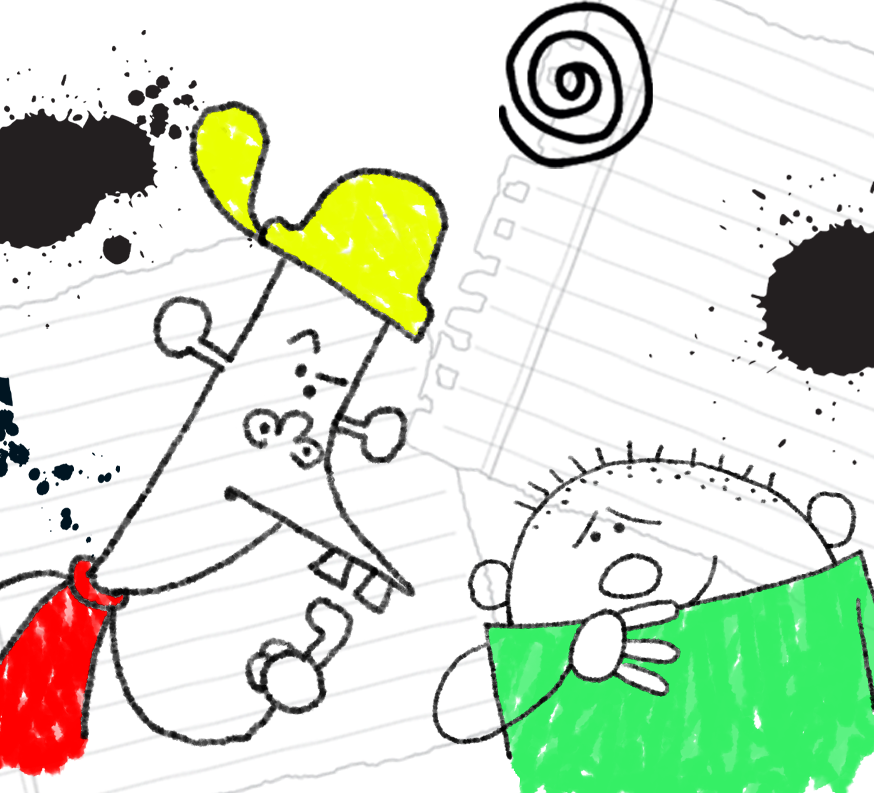
KS1: Pupils will learn that both physical movement and giggling can make you feel better
KS2: Pupils will learn that physical activity can help with giggling activity, improving mental wellbeing and unleashing creativity
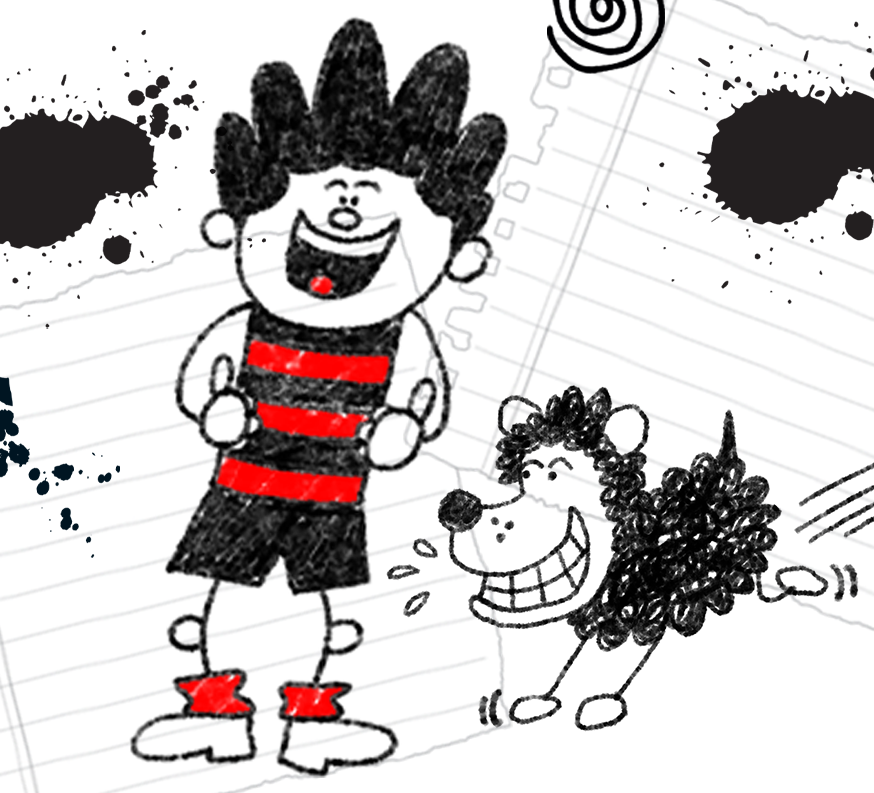
KS1: Pupils will learn that laughter and kind jokes can help people feel included and happy
KS2: Pupils will learn how humour can help them bond, feel welcome, and build ‘bouncebackability’!
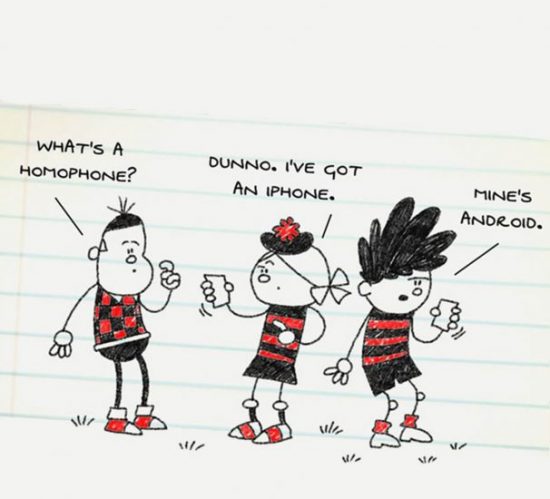
KS1: Pupils will understand the definition of a homophone and write a sentence and a joke using homophones.
KS2: Pupils will understand the definition of a homophone, they will create and perform jokes using homophones.
KS1: Pupils will recognise question words in “Knock Knock” jokes. This lesson illustrates repetition as a comedy device and pupils will perform “Knock Knock” jokes with a partner.
KS2: Pupils will recognise question words and learn to punctuate “Knock Knock” jokes. They will recognise language patterns in “Knock Knock” jokes and perform them.
KS1: By pairing bizarre words or ideas, pupils can come up with hilarious crazy jokes. To understand the uses of questions and answers to create jokes.
KS2: What do you get if you cross a kangaroo with a sheep? Pupils will write a joke to produce an unexpected and hilarious answer. They will understand the use of questions and answers to create jokes and have a go at telling them.

KS1: Pupils will understand the definition of a compound word. They will crack the code of compound word jokes to write and perform their work.
KS2: “Punchline” is a compound word. Pupils will understand the definition of a compound word, be able to give examples and explain their meaning. They will write and perform jokes using compound words.
KS1: Pupils will understand the definition of a conjunction and subordination conjunction and join clauses to make sentences to create and perform hilarious jokes.
KS2: Pupils will understand the definition of a conjunction and recognise subjects and verbs within clauses. They will write and perform jokes using complex sentences.
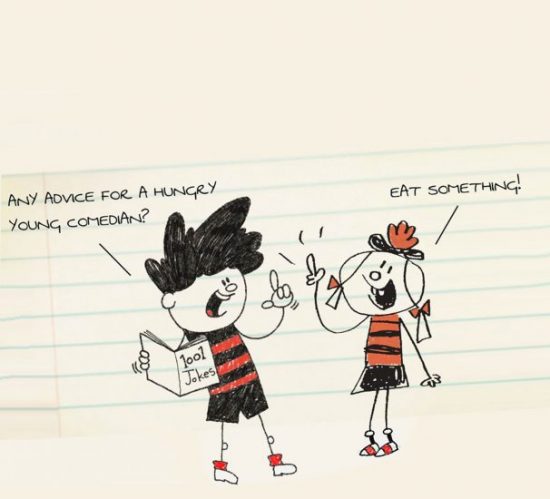
KS1: Devising a stand-up routine requires planning, writing and practise. Discuss how jokes need to be audience-appropriate. Pupils will use the jokes they have written in previous lessons to create a stand-up comedy routine.
KS2: Devising a stand-up routine requires planning, writing and practise. Discuss different comedy styles. Pupils will use the jokes they have written in previous lessons to create, memorise and perform a stand-up comedy routine.
KS1: Pupils will be introduced to figurative language, looking together at a few everyday idioms and using them to create a funny class joke.
KS2: Pupils will look at the figurative meanings of common idioms to help them create their very own jokes to perform for the class.

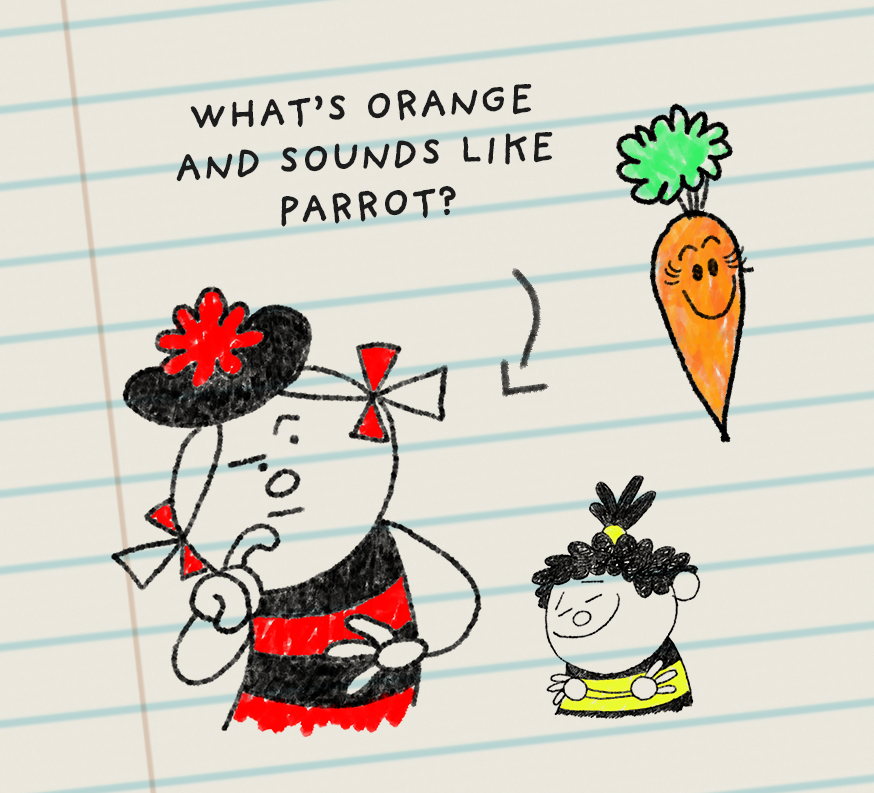
KS1: Pupils will have fun identifying rhyming pairs, using their knowledge of phonics to help them, and use rhyme to complete unfinished punchlines and even produce a funny joke with their class.
KS2: Pupils will discover how rhyme can be used in jokes to create a surprise punchline. They will learn the importance of perseverance as they edit their jokes to create the funniest version to share with the class.